Showing posts with label transformative fandom. Show all posts

Sunday, 1 November 2015

The transformative power of Fanfiction

Why write fanfiction? What is the purpose, and what does it do? In my opinion, fanfiction has the power to transform society.

One thing that it's understood you don't write fanfiction for, is money. The sole purpose of fanfiction is to tell a story to the best of your ability. There is no need to write for a specific market, to worry about revenue streams (there are none, no I'm not counting Amazon or Wattpad. No, really.)

Fanfiction writers are usually respectful of the source material, which is not the same thing as accepting it without challenge. Henry Jenkins' work on Textual Poachers is something to give a try, if this is something you'd like to explore more of.

Credit: X-ray: NASA/CXC/SwRI/R.Gladstone et al.; Optical: NASA/ESA/Hubble Heritage (AURA/STScI)
As I've found out in discussions with other fans, and by lurking online, the writing and sharing of fanfiction also serves an important transformative purpose. This comes from the chance to indulge in self exploration in a safe and supportive environment. Browsing through online forums such as AO3, I've come across ideas and concepts that are new to me, and must be just as new to some of the writers. It's difficult sometimes to come to terms with parts of your identity, either through not being able to "come out" to your friends or community, or sometimes not even understanding what it is you feel. By writing and exploring these ideas, its possible to explore parts of your identity, desire, feeling. This transforms lives, promotes understanding and acceptance. If you let it - it's a challenging experience at times.

I was concerned that parents wouldn’t want me working with their children if they knew that I’m the kind of person who engages in complicated debates about Omega reproductive organs and reblogs drawings of Sherlock Holmes tied up and getting rimmed by Dr. Watson.
The use of pen names to protect the identities of writers may seem pretentious, until you remember the impact the introduction of legislation such as Clause 28 in the UK, banning the "promotion" of homosexuality as a "normal family relationship", has on free speech elsewhere. This specific legislation may have been repealed, but there are plenty others that are similarly harmful still in place. Here's a piece from the perspective of someone who felt the need to remove evidence of their fanfiction online once they started working with special needs children.

Another aspect of the transformational nature of fanfiction is related to visibility. Though you might enjoy a work, it can't help but reflect the worldview of the creators. This won't always be as inclusive as it could be. Fanfiction offers the place and opportunity for the exploration of stories and characters marginalised for whatever reason in the source material.

There are some issues though. The platform for fanfiction appears to have moved from paper printed zines to online, though most are OK, this has led to some heated exchanges. The Mary Sue has an interesting article in Defence of So-Called Bad Fanfiction. How did people abuse each other before the Internet?

You think you haven't read fanfiction? Some of the finest writing has come in response to other works, reworking the material. Wide Sargasso Sea by Jean Rhys throws a different interpretation of Jane Eyre through the simple device of telling the story through Rochester's first wife Antoinette Cosway. Or how about the Good Man Jesus and The Scoundral Christ? Other examples are listed here.

Fancy giving fanfiction a go, but don't know how? TV Tropes has a terrific page showing you where to start. There's another good article on the Mary Sue called How to Offend Everyone and Make Yourself Cry: Writing Diversity in Fanfiction

__________________________________________________________________________
Picture courtesy of NASA, their royalty free resources are available online here


Sunday, 30 November 2014

Ursula Le Guin - my hero

Ursula Le Guin was recently awarded the National Book Foundation's  Medal for Distinguished Contribution to American Letters. I think it's safe to say that her acceptance speech has ruffled a few feathers

"I think hard times are coming when we will be wanting the voices of writers who can see alternatives to how we live now and can see through our fear-stricken society and its obsessive technologies. We will need writers who can remember freedom. Poets, visionaries—the realists of a larger reality." 
                                          Ursula K. Le Guin, 65th National Book Awards. Nov 19, 2014.

What is the point of speculative fiction? Why bother writing for a genre still viewed with some disdain? It has long been dismissed as ray guns and ponies, After all, as with other heretics isn't it easier to label and ignore challenging ideas than to listen and engage with them? Other genres, called more "realistic" do still tell stories from a particular viewpoint after all, and speculative fiction is a reminder that this viewpoint is only one of many and can be challenged.

Speculative fictions can be used to challenge orthodoxy of thought, can challenge a narrative that makes people so fearful of their neighbours that they will consider them to be less than human. Speculative fiction can show the possible mirror or progression of that thought, a dystopian world, or an alternative vision of what could be. Given the multiplicity of speculative fiction writers specifically addressing questions of gender, race, economy and class fictions can question everything we think we know about the way our world is shaped. And then, after reading and maybe having your own views challenged, there is the possibility of meeting others who might think the same way. Ursula went on to say

"We live in capitalism, its power seems inescapable – but then, so did the divine right of kings. Any human power can be resisted and changed by human beings. Resistance and change often begin in art. Very often in our art, the art of words".

Her words were brave, delivered in a roomful of publishers and powerful people, especially in the economy that we now inhabit. The full speech, far better to hear from Ursula herself, is available on the National Book Foundation website http://www.nationalbook.org/amerletters_2014_uleguin.html#.VHsO1zGsW1

Monday, 18 August 2014

London lability - Loncon3

I have been astonished at Loncon3 by the number of transformational talks and events included in the programme. They question the assumptions made about cultural identity and (for me) norms as identified by my family and culturally milieu
Image by SM Jenkin
London by night, near East India DLR 
To be honest it has involved a lot of thought to question a number of these, but environments such as loncon3 have given me a chance to question this safely,  without hurting others or making myself an object of ridicule. 

London has always (has it?) been on the forefront of these dialogues, chosen or forced. This is merely part of a continuing dialogue started (who knows when). But the point I an trying to explore is this...

Attitudes in London adapts and change. Is this part of the traditional British gentleness regarding identity or part of the international absorption of cities to form a cultural melange..  a global village. What do you think? Does this reflect your experience?

Saturday, 16 August 2014

The PEN of HG wells

Audrey Niffenegger spoke at Loncon3, for the inaugural PEN /  HG Wells lecture. PEN is an international association of writers, and it works to promote friendship and cooperation,  as well as freedom of expression. Their HG Wells lecture will showcase visionary and independent thinking in the tradition of Well's own work.
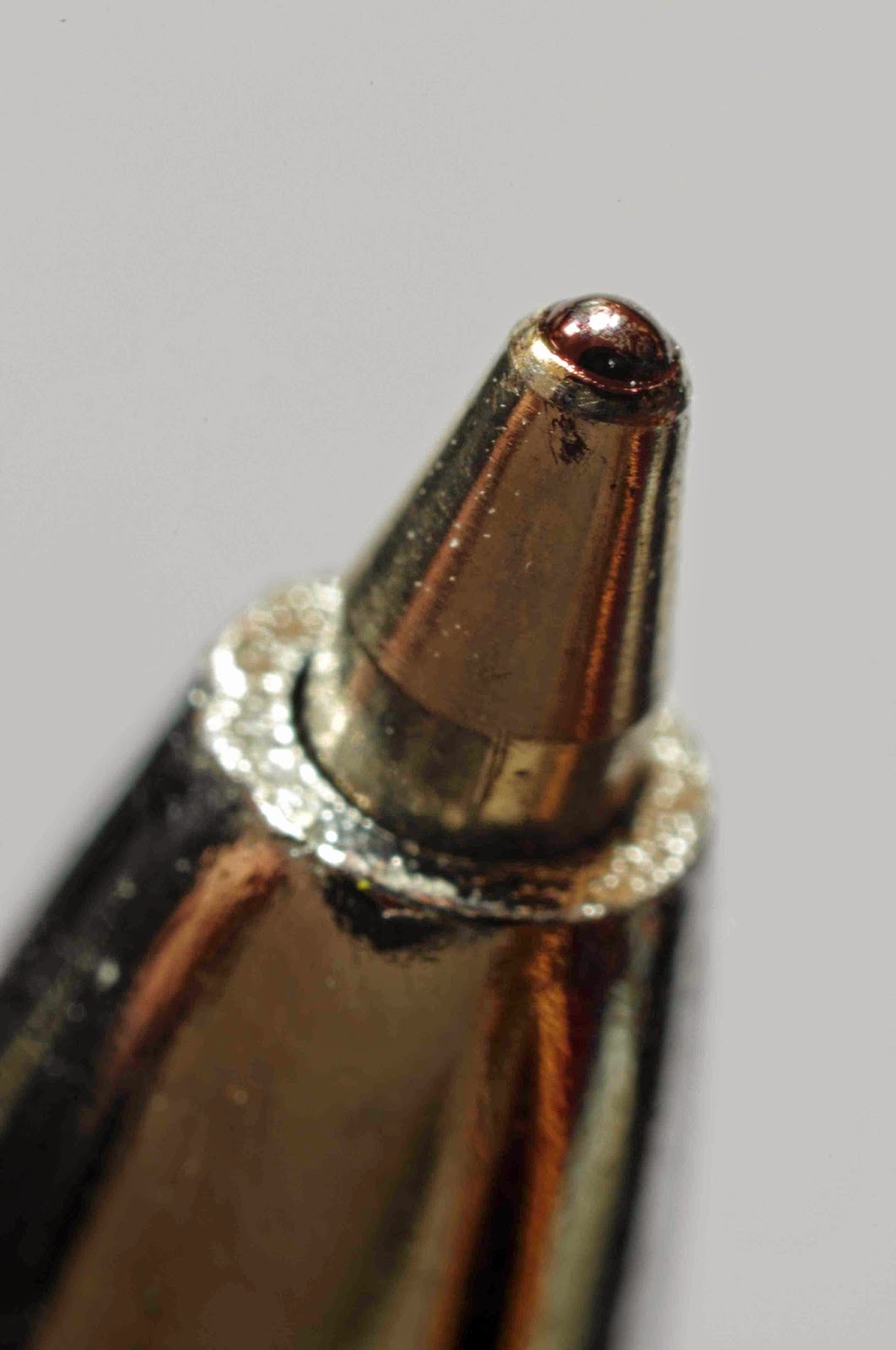
Pen
Ms Niffenegger chose as her inspiration the short story The Door in the wall to explore the tensions between (freedom of) thought, solitude and action/public life and activity. It is hoped that a transcript will be available soon, either from a national newspaper or the PEN website.

One specific idea of note was that:
Science fiction  can predict, but it is most powerful when it tells the truth

This has been reflected in a number of the discussions at Loncon3,  positing the idea of science/speculative fiction as transformational/ having the capacity to challenge the status quo. It has been a thought provoking and full programme so far.

Does this potential for transformation in science and.speculative fiction reflect your experience of it, as writer or reader, or does the need to make a living wage diminish this potential?

Image sourced from morguefile